Our time on the Great Australian Charity Cattle Drive
Join us as we recap our incredible journey on the Great Australian Charity Cattle Drive, meeting resilient producers and raising funds to fight food insecurity.
Written by Amber Woods, Marketing Manager
If you’d told me a few weeks ago that my desk chair would be swapped for a saddle, I probably would’ve said, “Where do I sign up?”
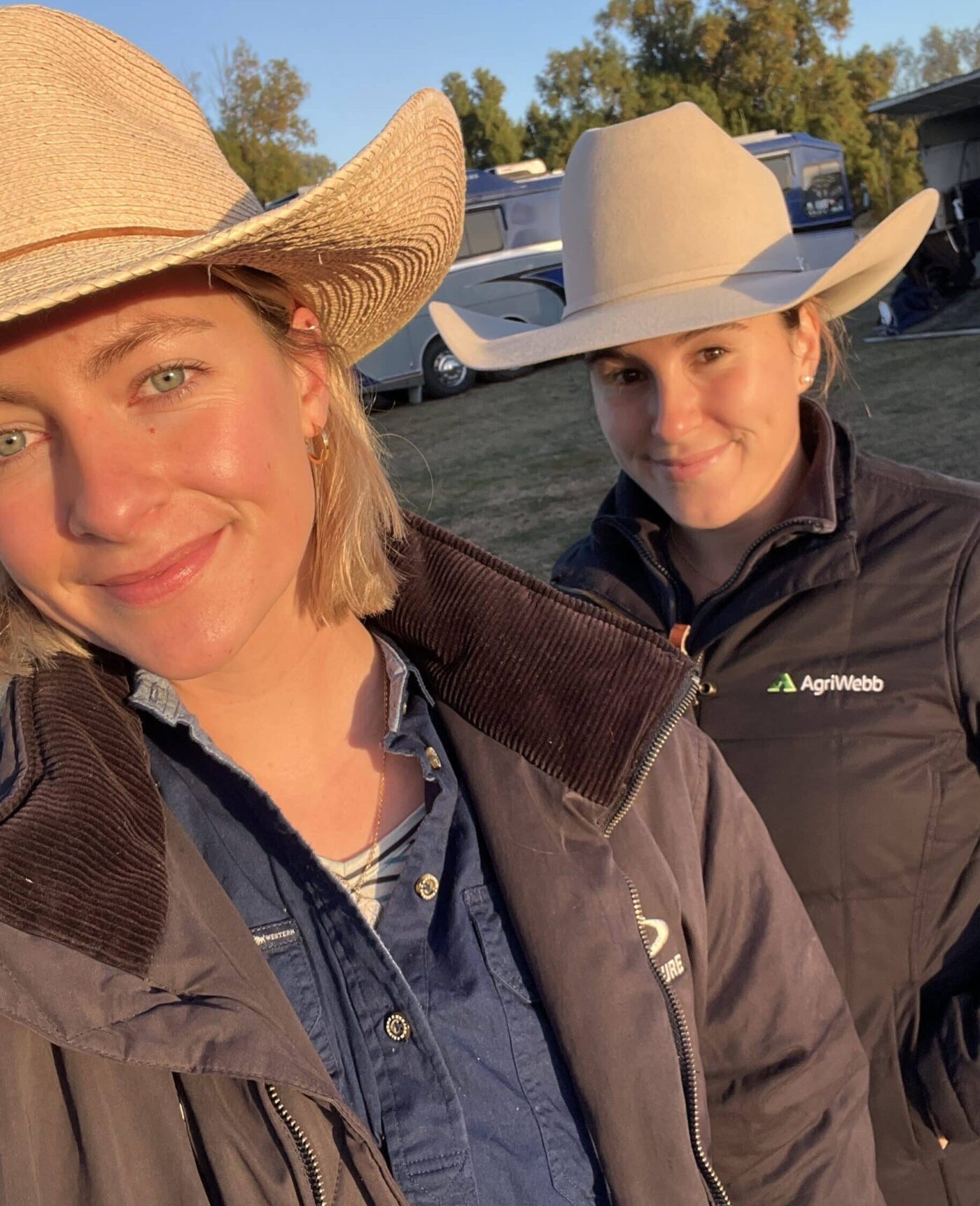
That’s exactly what happened when Izzy (our unstoppable Customer Success Manager from Harden, NSW) and I (Marketing Manager from Goondiwindi) joined the Great Australian Charity Cattle Drive (GACCD) for its final leg into Roma. For three days, we traded our laptops for leather saddles, and went to work alongside some of the toughest, kindest, and most dedicated people you could hope to meet.
We hit the road, setting off from my parent’s place at Tulloona, NSW, feeling a bit like we were heading off to school camp, and 4 hours later we found our camp just outside Roma where we met the crew. The plan? Spend the next three days inching our way towards the Roma Saleyards, herding the mob under the watchful eye of boss drover Billy Prow and his team. When I say “watchful eye,” I mean the kind of cattle sense that can only come from a lifetime of working stock. It’s a masterclass, and we feel honoured to have been witness to it.
The GACCD isn’t just about moving cattle. It’s about raising funds for BeefBank Australia, tackling food insecurity across the country, while showcasing the enduring art of droving and how modern agtech can complement tradition. This year, AgriWebb proudly sponsored the final leg alongside our friends at Cibo Labs, Farmbot, and Optiweigh.
Each of us had our own role to play:
- AgriWebb mapped the drive in our livestock management software so folks could “follow the herd” from Longreach to Roma.
- Farmbot made sure the troughs stayed full, monitoring water levels in real time.
- Cibo Labs kept an eye on pasture conditions, ensuring the cattle had plenty to eat along the way.
- OptiWeigh ensured the cattle were staying on track with their weights.
Key points